


Jan 28, 2026
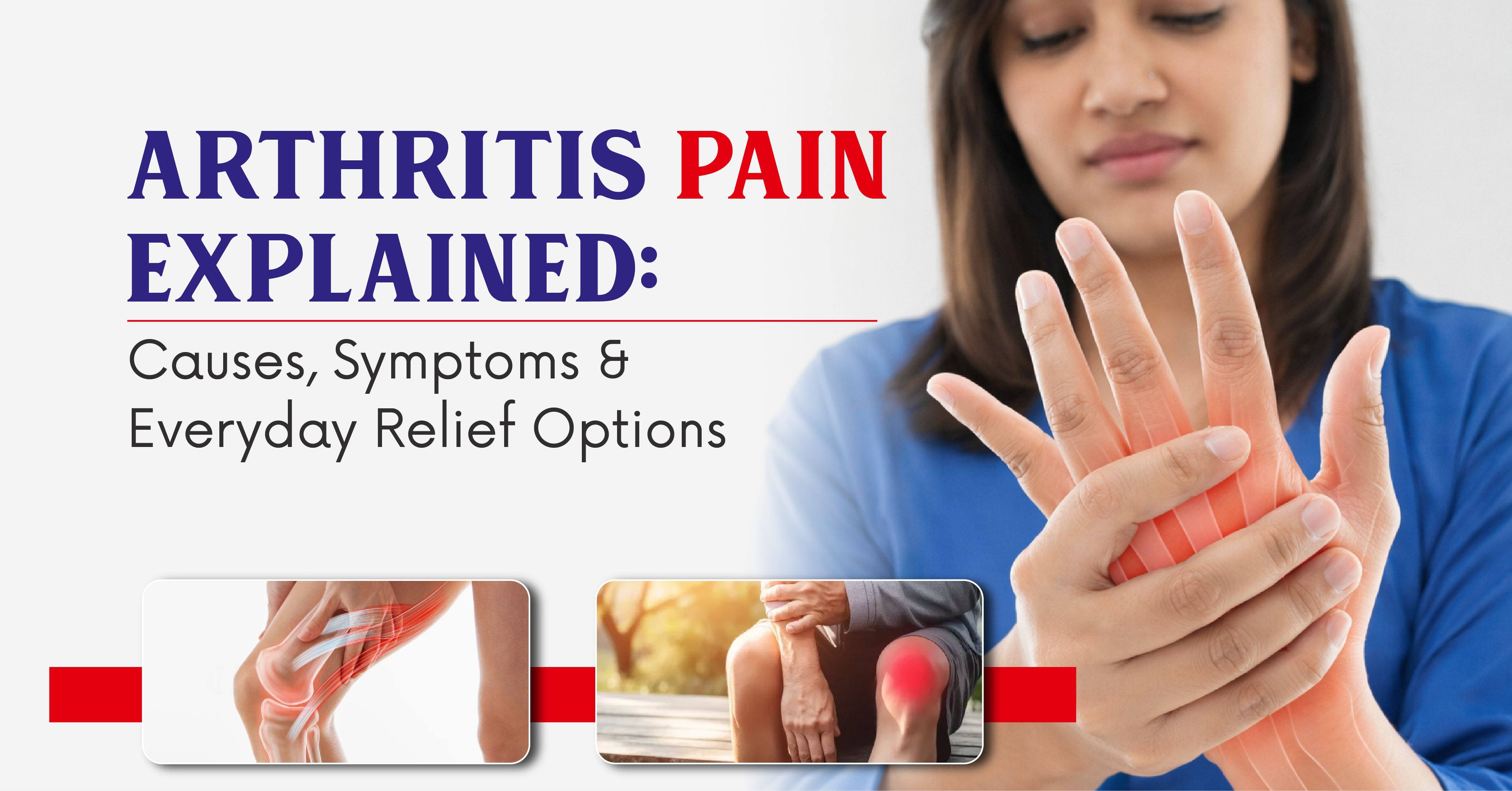
Arthritis pain is a long-term condition that affects joints, movement, and daily comfort for millions of people. It develops due to joint inflammation, wear and tear, or immune-related causes and often progresses gradually. Understanding arthritis symptoms and causes helps individuals make informed decisions about daily pain relief and joint care. With the right management approach, arthritis pain can be controlled to support mobility and quality of life.
Arthritis pain refers to discomfort, stiffness, swelling, and reduced movement in one or more joints. It is not a single condition but a broad term covering various joint-related disorders that affect how joints function. Arthritis pain can range from mild stiffness to severe discomfort that interferes with daily activities.
This pain often worsens with movement, cold weather, or after long periods of inactivity. Many people experience morning stiffness that improves gradually with movement. Over time, untreated arthritis pain may lead to joint damage, reduced strength, and limited mobility, making early awareness and management essential.
Arthritis causes depend on the type of arthritis and individual health factors. One of the most common causes is gradual wear and tear of joint cartilage, which reduces cushioning between bones and increases friction during movement. This often develops with aging but may occur earlier due to repetitive joint stress.
Other arthritis causes include immune system responses that trigger joint inflammation, previous injuries, infections, and genetic factors. Excess body weight can also increase pressure on joints, especially knees and hips, accelerating joint damage. Understanding these causes helps guide appropriate arthritis pain relief strategies.
Arthritis symptoms can vary in intensity and frequency. Common symptoms include joint pain, stiffness, swelling, warmth, and reduced range of motion. Some individuals notice tenderness around affected joints, while others experience a dull ache that persists throughout the day.
Symptoms often fluctuate, with periods of improvement followed by flare-ups. Pain may increase after physical activity or long periods of rest. Early recognition of arthritis symptoms allows individuals to take steps to manage discomfort before joint function becomes significantly affected.
Arthritis pain can impact many aspects of daily living. Simple tasks such as walking, climbing stairs, typing, or lifting objects may become difficult. Ongoing joint pain can lead to reduced activity levels, which may weaken muscles and further strain joints.
Persistent discomfort may also affect sleep quality, energy levels, and emotional well-being. Managing arthritis pain is not just about reducing discomfort but also about maintaining independence, mobility, and confidence in daily routines.
There are several joint pain relief options available for managing arthritis discomfort. These include lifestyle modifications, physical therapy, topical solutions, and supportive tools designed to reduce joint strain.
Topical applications provide localized relief by targeting specific joints, making them useful for knees, hands, shoulders, and other commonly affected areas. Gentle movement therapies and exercises help maintain flexibility and strengthen muscles that support joints. Choosing suitable joint pain relief options depends on symptom severity, affected joints, and individual comfort levels.
Daily pain relief for arthritis focuses on consistency and balance. Regular low-impact activities such as stretching, walking, or swimming help keep joints flexible and reduce stiffness. Movement improves circulation, which supports joint health and reduces discomfort over time.
Maintaining a healthy weight reduces pressure on weight-bearing joints and can significantly improve pain levels. Simple adjustments, such as using supportive footwear or ergonomic furniture, help reduce joint stress throughout the day. Small daily habits play a major role in managing arthritis pain effectively.
Effective arthritis pain management tips focus on protecting joints while staying active. Taking breaks during repetitive tasks helps prevent overuse. Applying warmth may help relax stiff joints, while gentle cooling may reduce swelling after activity.
Stress management is also important, as chronic stress can increase pain sensitivity. Adequate rest supports muscle recovery and joint repair. By combining these approaches, individuals can create a sustainable routine for managing arthritis pain without excessive strain.
Long-term joint health requires proactive care beyond short-term pain relief. Strengthening surrounding muscles improves joint stability and reduces strain. Balanced nutrition supports overall health and may help manage inflammation associated with arthritis.
Staying active within comfortable limits helps preserve mobility and prevents stiffness from worsening. Regular self-monitoring of symptoms allows early adjustments to routines, helping prevent flare-ups. A long-term approach supports consistent arthritis pain relief and improved quality of life.
Arthritis pain is commonly caused by joint wear and tear, inflammation, immune system responses, injuries, or genetic factors.
Early symptoms include joint stiffness, mild pain, swelling, and reduced flexibility, especially after rest.
Daily pain relief for arthritis includes gentle movement, weight management, supportive tools, and consistent joint care habits.
Yes. With the right arthritis pain management tips, many people experience improved comfort and mobility.
Arthritis pain can affect daily comfort, movement, and independence, but understanding its causes and symptoms empowers better management. By exploring joint pain relief options and adopting practical daily habits, individuals can reduce discomfort and protect joint function. A consistent, balanced approach to arthritis pain relief supports long-term mobility, confidence, and overall well-being.

‘Sign up’ for our newsletter to unlock exclusive updates, special offers, and wellness tips. Be the first to discover new products and promotions. Join us on the path to an active and pain-free lifestyle !