


Jan 20, 2026
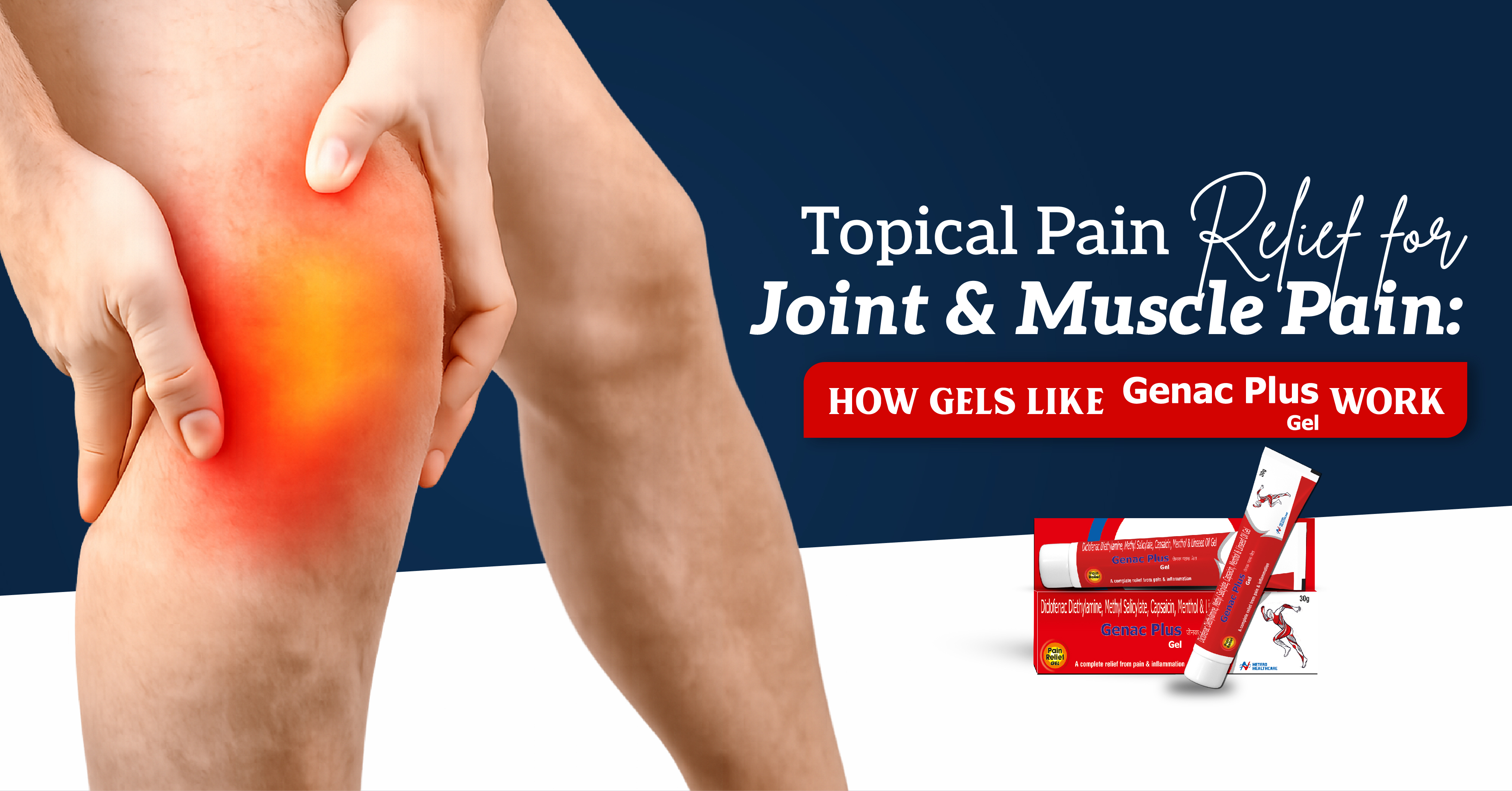
Topical pain relief gels are commonly used to manage joint and muscle pain through direct application on affected areas. These gels work by delivering active ingredients to the site of discomfort, helping reduce pain and stiffness. Compared to oral pain relief options, topical gels offer localized support with minimal systemic exposure. This guide explains how pain relief gels work, their benefits, and when they are most effective.
Topical pain relief refers to pain management methods that are applied directly to the skin over the affected area. A topical pain relief gel is designed to target localized discomfort without affecting the entire body. This approach is especially useful for joint and muscle pain that occurs in specific areas such as the knees, shoulders, neck, or lower back.
Because topical gels act externally, they are commonly used for everyday aches, stiffness, and post-activity soreness. Many people prefer topical options as part of their daily pain management routine.
Topical pain relief gels work by penetrating the upper layers of the skin to reach underlying muscles and joints. Once applied, the active ingredients interact with pain receptors, helping reduce the sensation of discomfort. Some gels create a warming or cooling effect that further helps relax muscles and ease stiffness.
A pain relief gel for joints focuses on the affected area, allowing targeted support where it is needed most. This localized action helps manage pain without placing unnecessary strain on the digestive system, as oral tablets might.
Muscle pain relief gels are commonly used for strains, sprains, and muscle fatigue caused by physical activity or prolonged posture. Joint pain gels are widely used for conditions such as knee pain, shoulder stiffness, and age-related joint discomfort.
People with active lifestyles, physically demanding jobs, or sedentary routines often experience muscle and joint pain. Using a gel for knee and joint pain allows individuals to address discomfort quickly and continue daily activities with greater ease.
One of the key benefits of external pain relief gels is their ability to provide localized relief. Since the gel is applied directly to the painful area, it works where it is needed most. This targeted approach is especially helpful for joint pain gel users who experience recurring discomfort in specific joints.
Topical gels are easy to apply, fast-absorbing, and suitable for use throughout the day. Many users appreciate that these gels do not require swallowing tablets and can be used alongside other wellness practices such as stretching or physiotherapy.
When comparing topical gel vs tablets for pain, the main difference lies in how the body processes them. Tablets work systemically, affecting the entire body, while topical gels work locally. This makes topical pain relief gel a preferred option for localized pain.
Topical gels may reduce the risk of systemic side effects associated with long-term tablet use. For mild to moderate joint and muscle pain, many individuals choose topical gels as a practical and supportive alternative.
To get the most benefit from a muscle pain relief gel, it should be applied to clean, dry skin. Gently massaging the gel into the affected area helps improve absorption and circulation. Using the gel consistently, especially after physical activity or long periods of inactivity, can support ongoing comfort.
Avoid applying excessive amounts, and follow product instructions carefully. Regular use as part of a daily routine can help manage stiffness and maintain mobility.
Joint pain gels are suitable for a wide range of individuals, including older adults, athletes, office workers, and people recovering from physical strain. Those experiencing occasional aches or chronic stiffness can benefit from topical pain relief options.
External gels are particularly helpful for people who prefer non-invasive, easy-to-use solutions. When combined with healthy movement habits and proper rest, topical gels can support long-term joint and muscle comfort.
A topical pain relief gel is applied directly to the skin to help reduce joint or muscle pain in a targeted area.
Yes. Pain relief gel for joints is commonly used to ease stiffness and discomfort in areas like knees and shoulders.
Topical gels work locally on the applied area, while tablets work throughout the body.
Most muscle pain relief gels can be used daily as directed for ongoing comfort.
Topical pain relief gels offer a practical and targeted approach to managing joint and muscle pain. By working directly at the source of discomfort, these gels help reduce stiffness and support mobility without systemic impact. Understanding how topical gels work and their benefits allows individuals to make informed choices for everyday pain management and long-term joint and muscle comfort.

‘Sign up’ for our newsletter to unlock exclusive updates, special offers, and wellness tips. Be the first to discover new products and promotions. Join us on the path to an active and pain-free lifestyle !