


Mar 22, 2026
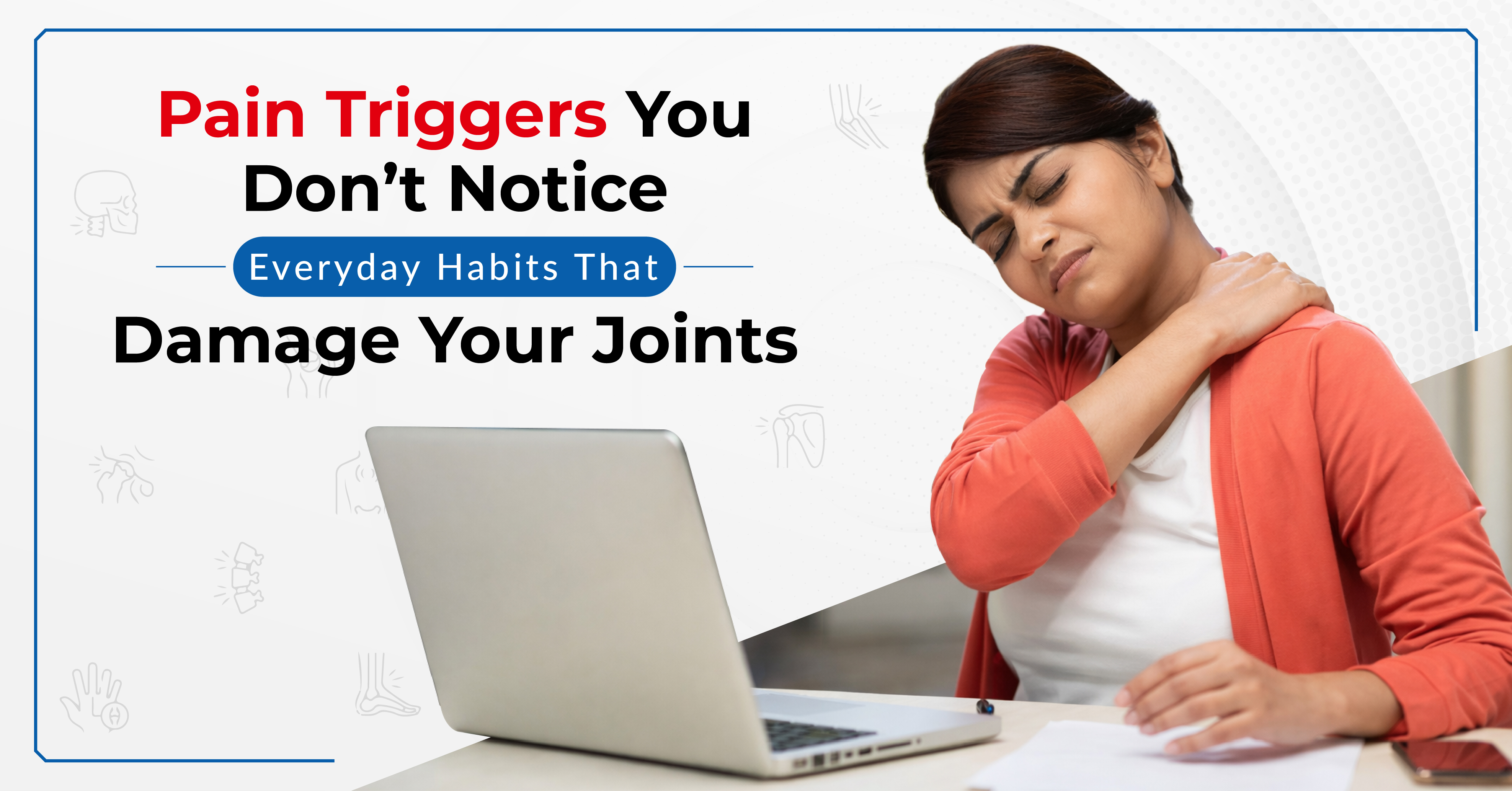
Joint pain does not always start with an injury or medical condition. Many everyday habits slowly strain joints, leading to stiffness, inflammation, and long-term discomfort without obvious warning signs. Poor posture, repetitive movements, inactivity, and lifestyle choices can silently damage joint health over time. This guide explains common hidden pain triggers and how to correct them before they turn into chronic joint problems.
Best for: joint pain prevention, early joint care, lifestyle-related joint issues, knee and back pain awareness, long-term mobility support
Joint damage rarely happens overnight. In most cases, it develops gradually due to repeated stress, poor alignment, and lack of recovery. Because these habits are part of daily life, the warning signs are easy to ignore.
Early joint strain may present as:
When left unaddressed, these small signals can progress into chronic pain, reduced mobility, and joint degeneration.
Sitting with rounded shoulders or a curved spine places uneven pressure on the neck, shoulders, hips, and knees. Over time, this misalignment strains joints and surrounding muscles.
Constantly leaning the head forward while using phones or laptops increases stress on cervical spine joints, leading to neck and shoulder pain.
Standing for long periods with locked knees increases pressure on knee joints and reduces blood circulation.
Correcting posture is one of the most effective ways to reduce joint strain without medical intervention.
A sedentary lifestyle is one of the most underestimated causes of joint pain. Joints are designed for movement, and prolonged sitting reduces their natural lubrication.
Lack of movement decreases synovial fluid circulation, causing stiffness and discomfort.
Weak muscles provide less support to joints, increasing stress during everyday activities.
Extended sitting tightens hip flexors, affecting spine and knee alignment.
Even short movement breaks throughout the day can significantly reduce joint stress.
Typing, texting, and scrolling strain wrist and finger joints when done without breaks.
Carrying bags or backpacks on one shoulder creates uneven joint loading, affecting shoulders and spine.
Activities like sweeping, chopping, or lifting improperly strain elbow, shoulder, and knee joints over time.
Repetition without rest or proper technique gradually wears down joint tissues.
An unsupportive mattress fails to maintain proper spine and joint alignment during sleep.
Incorrect pillow height strains neck and shoulder joints for several hours every night.
Sleeping curled tightly or twisted places prolonged pressure on hips, knees, and spine.
Sleep posture plays a major role in how joints recover overnight.
One of the biggest pain triggers is ignoring early discomfort. Mild joint pain is often dismissed as temporary or age-related.
Continuing activities despite pain prevents proper healing.
Temporary relief without addressing the cause allows damage to progress.
Cold, stiff joints are more prone to strain and inflammation.
Early intervention prevents long-term joint deterioration.
Shoes without arch support increase stress on ankles, knees, and hips.
High heels shift body weight forward, increasing pressure on knee joints and lower back.
Old shoes lose cushioning, reducing shock absorption during walking.
Footwear directly affects joint alignment from the ground up.
Dehydration reduces joint lubrication and cartilage elasticity.
Poor nutrition affects tissue repair and increases inflammation.
High-sodium and high-sugar diets may worsen joint inflammation.
Hydration and balanced nutrition are foundational for joint health.
Chronic stress causes muscle tightness, increasing joint pressure.
Stress-related hormonal changes can increase inflammation.
Stress lowers pain thresholds, making minor joint discomfort feel worse.
Managing stress is an often-overlooked aspect of joint care.
Maintain neutral alignment while sitting, standing, and lifting.
Short walks, stretching, and mobility exercises keep joints flexible.
Adjust chair height, desk setup, and screen position.
Adequate sleep and rest allow joints to repair and regenerate.
Small daily changes make a long-term difference.
Yes. Repeated stress from poor posture, inactivity, and improper movement can gradually damage joints.
Effects may appear slowly over months or years, often starting as mild stiffness.
No. Lifestyle habits play a major role in joint health at any age.
Early-stage joint strain can often be improved by correcting habits and improving mobility.
Joint pain does not always come from injuries or medical conditions. Many everyday habits quietly strain joints, leading to long-term discomfort and reduced mobility. Poor posture, inactivity, repetitive movements, stress, and neglecting early pain signals are common but preventable triggers. By becoming aware of these habits and making small daily adjustments, it is possible to protect joint health, reduce pain risk, and maintain comfortable movement for years to come.

‘Sign up’ for our newsletter to unlock exclusive updates, special offers, and wellness tips. Be the first to discover new products and promotions. Join us on the path to an active and pain-free lifestyle !