


Apr 30, 2026
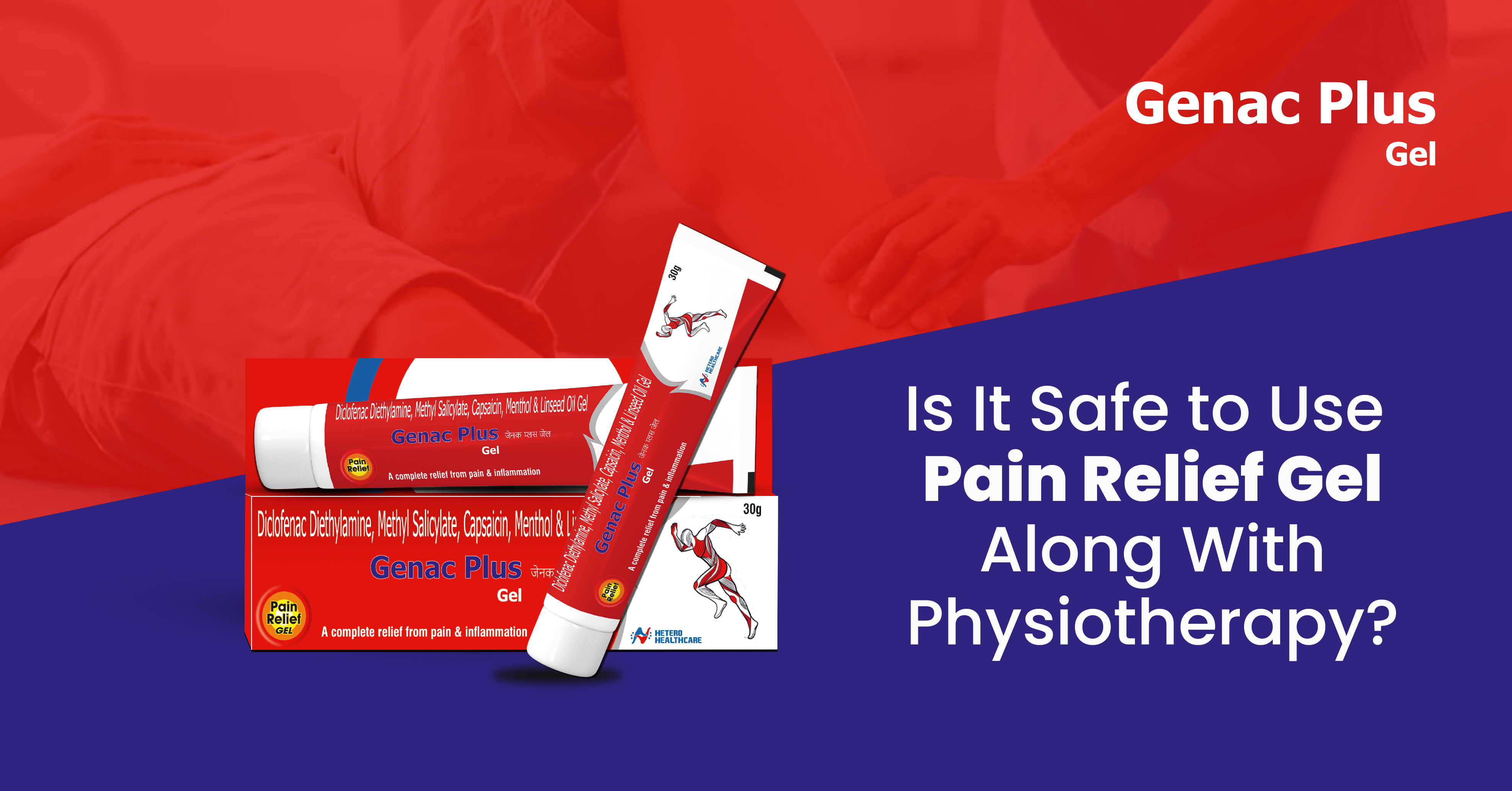
Physiotherapy is one of the most effective ways to treat muscle pain, joint stiffness, and injury-related discomfort. Whether you're recovering from an injury, managing chronic pain, or improving mobility, physiotherapy plays a key role in long-term healing.
At the same time, many people use a pain relief gel with physiotherapy to manage pain and discomfort during the recovery process. This raises an important question: Is it actually safe to combine both?
The short answer is yes—when used correctly, pain relief gels can complement physiotherapy and even enhance recovery. However, timing, application, and proper usage are crucial to avoid unwanted side effects or reduced effectiveness of therapy.
In this blog, we'll explore how to safely use a topical pain relief gel for therapy, its benefits, precautions, and best practices.
Physiotherapy focuses on restoring movement, strength, and function through exercises, manual therapy, and guided techniques. It is commonly used for:
During physiotherapy, some discomfort is normal—especially as muscles are being stretched, strengthened, or retrained. This is where a gel for muscle pain treatment can provide additional support.
Yes, using a pain relief gel with physiotherapy is generally safe and often recommended as part of a pain management strategy.
Why It Works Well Together
A topical pain relief gel for therapy can make exercises more tolerable, helping patients stick to their recovery plan.
1. Reduces Pain During Exercises
Applying gel before or after sessions can minimize discomfort, allowing better participation.
2. Improves Muscle Relaxation
Gels with warming or cooling effects help relax tight muscles, making therapy more effective.
3. Speeds Up Recovery
A gel for muscle pain treatment can reduce inflammation and soreness after sessions.
4. Enhances Mobility
By reducing pain, gels allow smoother movement and improved flexibility.
1. Before Physiotherapy Session
When to use:
Benefits:
Tip:
Use a small amount of topical pain relief gel for therapy and allow it to absorb before starting.
2. After Physiotherapy Session
Most recommended timing
Why:
A muscle recovery gel after physio is especially effective at this stage.
3. Between Sessions
If you experience ongoing discomfort throughout the day, you can apply gel as needed (within recommended limits).
To get the best results from a pain relief gel with physiotherapy, follow these guidelines:
1. Apply on Clean Skin
Ensure the area is clean and dry before application.
2. Use the Right Quantity
A small amount is sufficient. Overuse can irritate the skin.
3. Massage Gently
Light massage improves absorption and blood circulation.
4. Avoid Immediate Application Before Intense Therapy
Applying too much gel right before deep tissue work may cause sensitivity.
5. Follow Product Instructions
Each gel may have specific usage guidelines—always read the label.
Not all gels are suitable for use with physiotherapy. Here's how to choose the right one:
1. Look for Anti-Inflammatory Ingredients
Ingredients like diclofenac help reduce swelling and pain.
2. Choose Soothing Agents
Menthol or camphor provide immediate relief and relaxation.
3. Consider Skin Sensitivity
Pick a gel that is gentle and non-irritating.
4. Non-Greasy Formula
A lightweight gel ensures comfort and easy application.
The best gel for physiotherapy pain should complement therapy without interfering with movement or causing irritation.
1. Avoid Broken or Sensitive Skin
Do not apply gel on cuts, wounds, or inflamed areas.
2. Be Careful with Heat Therapy
Avoid applying heat immediately after gel unless recommended, as it may increase absorption excessively.
3. Watch for Allergic Reactions
If you notice redness, itching, or burning, stop use immediately.
4. Do Not Overapply
More gel does not mean faster recovery.
5. Inform Your Physiotherapist
Always let your therapist know you are using a pain relief gel with physiotherapy.
A topical pain relief gel for therapy should support—not replace—physiotherapy.
Your physiotherapist plays a key role in guiding safe use.
They can:
Always follow professional advice for optimal results.
1. Stay Consistent with Exercises
Regular therapy sessions are crucial for recovery.
2. Maintain Proper Hydration
Hydrated muscles recover faster.
3. Eat a Balanced Diet
Nutrients support tissue repair and strength.
4. Get Adequate Rest
Recovery happens during rest periods.
So, is it safe to use a pain relief gel with physiotherapy?
Absolutely—when used correctly, it can be a powerful addition to your recovery routine. A well-chosen topical pain relief gel for therapy helps reduce pain, improve comfort, and support muscle healing.
However, it's important to use it wisely. Timing, proper application, and guidance from your physiotherapist are key to maximizing benefits while avoiding risks.
Whether you're using a muscle recovery gel after physio or a gel for muscle pain treatment, remember that gels are supportive tools—not substitutes for therapy.
By combining the right gel with consistent physiotherapy and healthy habits, you can achieve faster recovery, improved mobility, and long-lasting relief.

‘Sign up’ for our newsletter to unlock exclusive updates, special offers, and wellness tips. Be the first to discover new products and promotions. Join us on the path to an active and pain-free lifestyle !